
Nottoway County Bench Warrants Explained
People use the phrase loosely, but a bench warrant is court process that follows a missed appearance, a failure to obey an order, or a violation of release conditions. Virginia records often label it a capias instead. The reason behind it and the way out of it depend on the case, the court, and the exact order the judge entered. For an adult traffic or misdemeanor matter in Nottoway County, the General District Court clerk is the first stop for a warrant check. The Circuit Court keeps the felony files. Juvenile and Domestic Relations handles family and juvenile cases, though confidentiality limits what it will discuss. And keep the labels straight: a warrant tied to an old Nottoway County case is one thing, while a new arrest warrant built on a fresh complaint is another. The distinction shapes what you ask for when you call.
Nottoway FTA Rules Separate Infraction Dates
One missed date does not produce one standard result. The Virginia Magistrate Manual describes a warrant process when probable cause supports a willful failure to appear. The General District Court Manual draws a sharper line for traffic cases: a warrant of arrest cannot issue solely because a person skipped a traffic-infraction trial date. Other failures on a traffic summons may fall under a different statute with different consequences. Before you pay anything or show up at a Nottoway County courthouse, ask the clerk which category fits your file. The court may have set the matter for an in-absentia decision, a show cause, a capias, or another hearing entirely. The docket, not a generic search result, determines what process is actually on the record, and the clerk reads that docket every day.
A missed traffic-infraction date alone is not the same as every other summons failure. Confirm the citation type and court action before assuming a warrant exists.
How Nottoway County Bench Warrants Are Issued
A court that wants someone back in front of it has several tools after a missed setting or noncompliance. Virginia's magistrate manual lays out the probable-cause review that applies to an alleged willful failure to appear. A judge can also turn to show-cause process or enforce a condition of release. Not every missed date ends in an arrest warrant. So start with the paper. The summons, any prior order, and the docket date tell you what the court expected and what it did next. In Nottoway County Circuit Court, a continuance request or a term-day appearance must come by written motion under the local court information. In General District Court, the judge controls continuances, and the clerk can explain how to ask for one. Nottoway County publishes no universal recall form, so the clerk is the source for what filing, if any, your case needs.
Nottoway GDC and Circuit Use Different Dockets
The two courts in Nottoway County run separate dockets, so match your case to the right one. The Circuit Court clerk holds the felony criminal files and their process. Criminal bench dockets sit on the second, third, and fourth Monday, plus a term-day setting. General District Court covers adult traffic, misdemeanors, preliminary felony hearings, and civil matters, with traffic and criminal sessions on its Wednesday schedule. That is a hearing calendar, not a public warrant docket. Call the clerk before you appear. Ask whether a motion, counsel, or a scheduled hearing is required in your file. The Circuit page and the combined court page publish local contact details and calendars.
Bench Warrants and Arrest Warrants Compared
An arrest warrant starts with a complaint and a probable-cause review. A bench warrant or capias usually ties to a case already before the court, such as a missed appearance or a violated condition. A summons just directs you to attend, without the same immediate arrest instruction. The terms blur in everyday speech across Nottoway County, so ask the clerk for the exact label the court used in your matter.
| Process | Typical starting point | First Nottoway route |
|---|---|---|
| Arrest warrant | New complaint and probable cause | Magistrate, then issuing court |
| Bench warrant / capias | Existing case or missed obligation | Clerk of the court that set it |
| Summons | Notice to appear | Clerk named on the paper |
A capias is not a guarantee of a specific bond amount or release route.
Nottoway JDR Process Stays Confidential
Juvenile and Domestic Relations cases in Nottoway County can involve support, custody, visitation, juvenile criminal matters, or juvenile traffic. The combined clerk holds those files, but public online search shows no JDR case information, so do not expect the clerk to share protected details over the phone. A party or a lawyer may need to follow instructions tailored to the specific file. One local rule worth knowing: the JDR payment-plan order requires the person who owes the balance to appear and sign in person. A family member cannot sign in that person's place. Call ahead and ask what may be discussed with you, and whether a payment plan or a separate court appearance applies. The juvenile-record statute sets its own distinct access rule for these records, which is why the usual Nottoway County warrant search tools come up empty here.
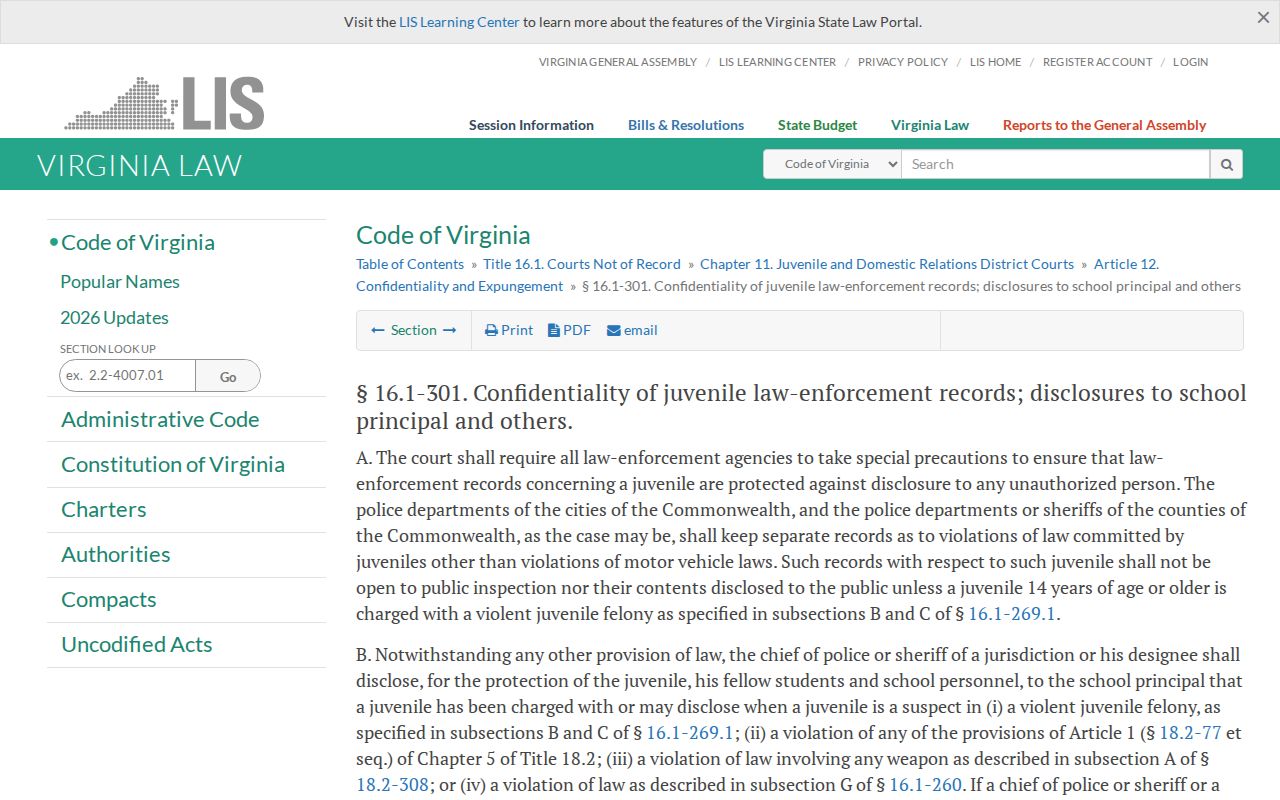
The juvenile-record statute explains why this route differs from an adult case search.
Resolving a Nottoway County Bench Warrant
Resolution starts with the case number. Call the issuing clerk and ask whether the court requires counsel, a written motion, a new hearing, payment, bond, or surrender. If the clerk sends you to law enforcement or Piedmont Regional Jail, get the location and current instructions before you go. Nottoway County publishes no walk-in surrender sheet and runs no no-arrest window. After any hearing, ask for your next date in writing and ask whether the warrant was recalled or returned. Those are separate things: the process can be cleared while the underlying case continues, so a resolution is not the end of the matter. When a traffic license suspension is involved, ask the clerk whether a separate DMV compliance notice is also needed. A Nottoway County bench warrant usually closes through the court that issued it, not through a payment alone.
Nottoway Written Motion Rules Apply to Circuit Dates
The Circuit Court page sets one clear local rule: a request tied to an appearance or continuance at term day must be filed as a written motion with the clerk. That instruction helps with Circuit cases in Nottoway County, but it is not a blanket motion-to-recall procedure for every bench warrant. The court publishes no current recall or quash form, and no filing fee is listed. So ask the clerk the questions that matter. Must the motion come from counsel? Is a hearing date required? What happens before a judge rules? For a General District or JDR matter, ask that court's own procedure rather than borrowing the Circuit rule. A generic form from somewhere else can miss what your record actually requires, and the Nottoway County clerk can tell you what fits.
Bond, Recall, and Appearance Are Different
Each step does its own job. Bond only addresses release from custody. A recall or quash changes the process itself, while an appearance may restart the case calendar. Virginia law lets judicial officers set secured or unsecured conditions. Nottoway County publishes no bond schedule and no online payment portal. The local JDR payment order spells out installment terms for eligible fines and costs, but it is not a warrant fix. A plan never recalls a criminal capias on its own; ask the clerk to separate the debt from the warrant status.
Finding the Court That Issued the Warrant
Let the paperwork guide you. Adult traffic or a misdemeanor usually points to GDC. A felony indictment points to Circuit Court. Juvenile or family process belongs to JDR. The District 11 magistrate can answer a new-complaint or initial-bail question, but the office is not a public warrant database. For county-wide context and the contacts for every office, see Nottoway County warrant records. The court that issued the process is the one that confirms status; the sheriff helps with service routing, but only the court controls a recall, a new date, and the case file.
Nottoway Payment Plans Do Not Recall Process
The JDR order requires a 10% initial payment. It adds a one-time $10 management fee, then sets time bands by the remaining balance. Plans are issued on weekdays, never started online, and need the defendant's own signature at court. That is local practice in Nottoway County. The order never says a payment plan automatically recalls every outstanding warrant, so treat the debt and the warrant as two separate questions. Ask the clerk about current GDC policy for adult traffic. Keep the receipt and the written next date. A plan can cover a qualifying fine while a separate appearance, bond, or motion stays due.
Nottoway Status Needs Court Confirmation
OCIS searches by name, case number, or hearing date. It has no universal warrant-status field. A served or returned entry may still leave the underlying charge open. Sealed and JDR material may not show up online. So confirm with the court in Nottoway County. Ask whether the process is active, executed, recalled, or quashed, and get the date of the court action. If the answer stays unclear, speak with a Virginia attorney rather than trusting a third-party roster as proof that a warrant is present or absent.